
In recent years, the beauty industry has undergone a remarkable transformation. Consumers are no longer just looking for products that make them look good—they want products that are good for the planet. Eco-friendly beauty products have emerged as a growing trend, combining sustainability, natural ingredients, and ethical practices. But what exactly are these products, and why are they becoming essential for conscious consumers? This guide will explore everything you need to know about eco-friendly beauty products, from their benefits to the best practices for choosing them.
What Are Eco-Friendly Beauty Products?
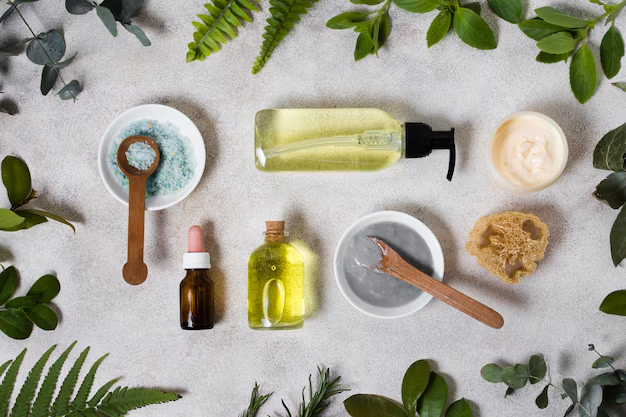
Eco-friendly beauty products, sometimes referred to as sustainable beauty products, are designed to minimize harm to the environment while still providing effective results for skin, hair, and overall personal care. Unlike conventional products, these alternatives focus on:
- Natural and organic ingredients – free from harmful chemicals like parabens, sulfates, and synthetic fragrances.
- Sustainable packaging – using recyclable, biodegradable, or reusable materials.
- Ethical sourcing – cruelty-free practices and responsible sourcing of raw materials.
- Minimal carbon footprint – produced with energy efficiency and eco-conscious manufacturing methods.
By choosing eco-friendly beauty products, consumers are not just taking care of their skin but also contributing to a healthier planet.
Why Switch to Eco-Friendly Beauty Products?
Switching to eco-friendly beauty products isn’t just a trend—it’s a necessity. Here are some compelling reasons why sustainable beauty is worth the switch:
1. Healthier for Your Skin
Conventional beauty products often contain harsh chemicals that can irritate sensitive skin or cause allergic reactions. Eco-friendly beauty products are typically formulated with natural oils, plant extracts, and minerals, which are gentler on the skin. Ingredients like aloe vera, coconut oil, shea butter, and green tea provide nourishment without harmful side effects.
2. Protects the Environment
From plastic packaging to toxic chemical runoff, the beauty industry has a significant environmental impact. By choosing eco-friendly beauty products, you reduce pollution, lower plastic waste, and support sustainable practices that protect forests, oceans, and wildlife.
3. Supports Ethical Practices
Many eco-friendly beauty products emphasize cruelty-free testing and fair trade sourcing. This ensures that your skincare and cosmetic choices align with ethical standards, promoting animal welfare and fair labor practices.
4. Long-Term Cost Savings
While eco-friendly beauty products may initially seem pricier, they often last longer due to high-quality natural ingredients. Moreover, investing in products that truly nourish your skin can reduce the need for additional treatments or corrective skincare products.
Key Features of Eco-Friendly Beauty Products
When shopping for eco-friendly beauty products, it’s essential to know what makes them sustainable. Here are the core features to look for:
1. Natural and Organic Ingredients
Look for products labeled organic, plant-based, or botanical. Avoid synthetic chemicals such as parabens, sulfates, phthalates, and artificial dyes. Ingredients like jojoba oil, chamomile, and argan oil are popular for their natural healing properties.
2. Sustainable Packaging
Packaging is a major contributor to environmental waste. Eco-friendly beauty products often use glass, aluminum, biodegradable plastics, or refillable containers. Minimalist packaging with recyclable labels is a strong indicator of sustainability.
3. Cruelty-Free and Vegan
A truly sustainable product is never tested on animals. Look for certifications like Leaping Bunny or PETA-approved vegan products. Many eco-friendly beauty products also avoid animal-derived ingredients like beeswax or lanolin.
4. Biodegradability
Products that are biodegradable ensure that when washed off, they break down naturally without polluting water systems. This is especially important for shampoos, conditioners, and body washes.
5. Local and Ethical Sourcing
Supporting brands that source ingredients locally reduces transportation emissions. Ethical sourcing ensures fair wages and working conditions for farmers and producers. Choosing eco-friendly beauty products with ethical sourcing supports global sustainability.
Popular Types of Eco-Friendly Beauty Products
Eco-friendly beauty encompasses a wide range of products. Here’s a breakdown of popular categories:
1. Skincare
- Cleansers: Made with gentle, natural ingredients like coconut oil or aloe vera.
- Moisturizers: Rich in plant-based oils and free from synthetic chemicals.
- Serums and Oils: Formulated with essential oils, antioxidants, and vitamins.
2. Haircare
- Shampoos and Conditioners: Sulfate-free and biodegradable formulas.
- Hair Oils and Masks: Plant-based treatments that nourish hair without silicone or parabens.
3. Makeup
- Foundation and Concealer: Mineral-based products that provide coverage without toxic chemicals.
- Lipsticks and Glosses: Often made from plant oils and pigments instead of petroleum-based ingredients.
- Eyeshadows and Blushes: Free from synthetic dyes and preservatives.
4. Personal Care
- Deodorants: Aluminum-free and enriched with natural powders or clays.
- Soaps and Body Washes: Handmade, natural, and biodegradable.
- Feminine Hygiene Products: Organic cotton tampons and reusable menstrual cups.
5. Fragrances and Perfumes
Natural perfumes often use essential oils instead of synthetic chemicals, reducing skin irritation and environmental toxicity. Eco-friendly beauty products also include these fragrance options for a holistic sustainable routine.
How to Choose the Right Eco-Friendly Beauty Products
Choosing the right eco-friendly beauty products can be overwhelming, given the growing number of sustainable brands. Here are practical tips:
1. Read Labels Carefully
Check ingredient lists for natural components and avoid harmful chemicals. Look for certifications like USDA Organic, COSMOS, or Ecocert.
2. Research the Brand
Sustainable practices go beyond the product. Investigate the brand’s manufacturing, packaging, and ethical policies.
3. Look for Multi-Use Products
Eco-conscious consumers can reduce waste by using products that serve multiple purposes, such as lip and cheek tints or all-in-one balms.
4. Prioritize Packaging
Choose brands that offer refill stations, recyclable packaging, or biodegradable materials. This significantly reduces plastic waste.
5. Start Small
Transitioning entirely to eco-friendly beauty products can be overwhelming. Begin with daily essentials like cleanser, moisturizer, or shampoo, and gradually switch other products.
Benefits of Eco-Friendly Beauty Products
Adopting eco-friendly beauty products provides benefits for health, environment, and lifestyle:
- Healthier skin and hair due to natural ingredients.
- Reduced exposure to toxins in conventional products.
- Decreased plastic and chemical pollution, protecting ecosystems.
- Ethical and cruelty-free practices.
- Support for conscious brands contributing to sustainable innovation.
Eco-Friendly Beauty Trends
Several exciting trends are shaping the sustainable beauty market:
- Zero-Waste Beauty: Products designed with no plastic or refillable packaging.
- Waterless Beauty Products: Concentrated bars or powders that reduce water consumption.
- DIY Natural Beauty: Homemade masks, scrubs, and oils using kitchen ingredients.
- Refillable Products: From deodorants to foundations, refillable options are growing rapidly.
- Inclusivity and Clean Beauty: Eco-friendly brands are focusing on all skin types and tones, ensuring sustainability meets diversity.
Top Eco-Friendly Beauty Brands
While there are hundreds of sustainable beauty brands worldwide, some are leading the movement:
- Lush – Handmade, cruelty-free, and minimal packaging.
- The Body Shop – Committed to fair trade ingredients and ethical sourcing.
- Burt’s Bees – Natural ingredients with recyclable packaging.
- RMS Beauty – Organic and vegan-friendly cosmetics.
- Herbivore Botanicals – Minimalist design, sustainable ingredients, cruelty-free products.
All of these brands specialize in eco-friendly beauty products, making them ideal choices for conscious consumers.
Tips for Incorporating Eco-Friendly Beauty into Daily Life
Adopting a sustainable beauty routine doesn’t have to be difficult. Here are simple steps:
- Declutter Your Products – Identify items you already have and gradually replace them with eco-friendly beauty products.
- Buy Multi-Purpose Products – Reduces waste and simplifies your routine.
- Opt for Refillable or Recyclable Options – Supports long-term sustainability.
- DIY Where Possible – Homemade masks and scrubs are fun, cost-effective, and eco-friendly.
- Educate Yourself – Stay informed about the environmental impact of beauty products and evolving sustainable trends.
The Future of Eco-Friendly Beauty
The future of beauty lies in innovation, sustainability, and ethical responsibility. As consumers become more conscious, brands are investing in clean formulations, biodegradable packaging, and circular business models. The integration of technology, such as AI for personalized skincare, combined with sustainable practices, will likely redefine the beauty industry in the next decade.
Conclusion
Eco-friendly beauty products are more than just a passing trend—they represent a conscious shift toward healthier living and environmental responsibility. By choosing products made from natural ingredients, ethical practices, and sustainable packaging, consumers can make a meaningful impact without compromising on quality or effectiveness.
Whether you are new to eco-friendly beauty products or looking to revamp your routine, taking small steps—like switching to a natural moisturizer or reusable beauty products—can contribute to a more sustainable lifestyle. In the world of beauty, looking good doesn’t have to come at the cost of the planet.
Embrace eco-friendly beauty products today, and let your skincare routine reflect your values—for you and for the Earth.
