
In today’s fast-paced world, sleep often takes a backseat to work, social activities, and digital distractions. Yet, research consistently shows that sleep is essential for physical health, mental well-being, and cognitive performance. Poor sleep can lead to a host of issues, including reduced immunity, weight gain, mood swings, and impaired concentration. Fortunately, practicing sleep hygiene can dramatically improve the quality of your sleep and, consequently, your overall quality of life.
In this comprehensive guide, we’ll explore everything you need to know about sleep health, including practical tips, lifestyle habits, and environmental changes that can help you achieve deep, restorative sleep.
What is Sleep Hygiene?
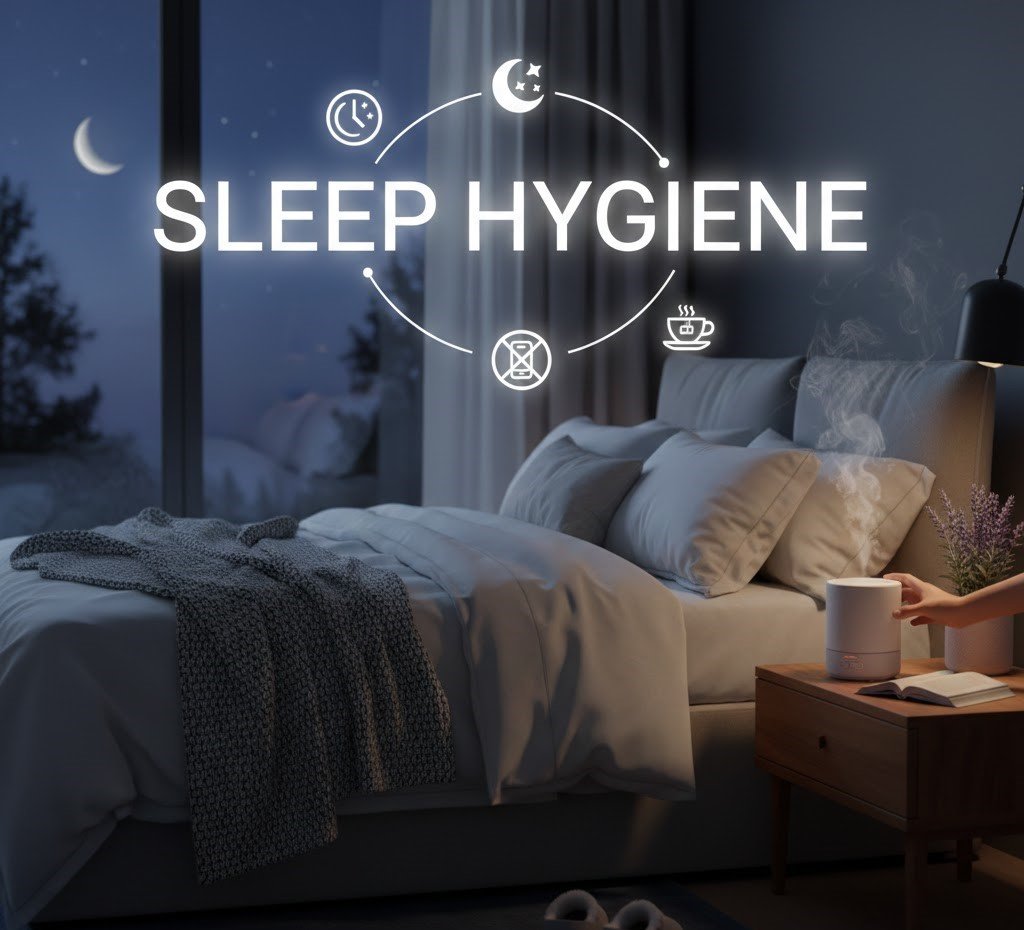
Sleep hygiene refers to a set of habits, routines, and environmental factors that support consistent, high-quality sleep. Just as good hygiene keeps your body healthy, good sleep hygiene ensures that your sleep cycles are optimized for rest and rejuvenation.
The National Sleep Foundation emphasizes that sleep hygiene is not just about duration but also about sleep quality, timing, and consistency. By improving sleep health, you can fall asleep faster, stay asleep longer, and wake up feeling refreshed.
The Importance of Sleep Hygiene
Sleep hygiene is not a luxury—it’s a biological necessity. Here’s why proper sleep hygiene matters:
- Boosts Mental Health
Poor sleep is linked to anxiety, depression, and irritability. Quality sleep hygiene helps regulate mood, improves emotional resilience, and supports healthy brain function. - Enhances Cognitive Performance
Sleep hygiene is critical for memory consolidation, problem-solving, and decision-making. Studies show that well-rested individuals perform better in work, school, and daily activities. - Supports Physical Health
Good sleep health supports heart health, hormone regulation, metabolism, and immune function. Chronic sleep deprivation increases the risk of diabetes, obesity, cardiovascular disease, and other serious conditions. - Improves Productivity and Focus
Individuals with healthy sleep health have better attention spans, creativity, and productivity. Sleep acts as a natural performance booster for both the mind and body.
Key Principles of Sleep Hygiene
Effective sleep hygiene involves a combination of behavioral, environmental, and lifestyle strategies. The following principles are widely recommended by sleep experts:
- Maintain a Consistent Sleep Schedule
Going to bed and waking up at the same time every day—even on weekends—helps regulate your body’s internal clock (circadian rhythm). Consistency promotes deeper sleep and easier wake-ups, which is essential for good sleep health. - Create a Relaxing Bedtime Routine
A pre-sleep routine signals to your brain that it’s time to wind down. Activities like reading, gentle stretching, meditation, or a warm bath can promote relaxation and improve sleep health. - Optimize Your Sleep Environment
Your bedroom should be cool, dark, quiet, and comfortable. Consider blackout curtains, white noise machines, or earplugs to reduce disturbances. Investing in a supportive mattress and pillows also enhances sleep health. - Limit Exposure to Screens Before Bed
Blue light from phones, tablets, and TVs suppresses melatonin production, making it harder to fall asleep. Experts recommend avoiding screens at least 60–90 minutes before bedtime to maintain proper sleep hygiene. - Watch Your Diet and Caffeine Intake
Avoid heavy meals, caffeine, and alcohol close to bedtime. While alcohol may make you drowsy initially, it disrupts the sleep cycle and reduces restorative deep sleep, which is detrimental to sleep hygiene. - Incorporate Physical Activity
Regular exercise promotes faster sleep onset and deeper sleep. However, avoid vigorous exercise right before bed, as it may increase alertness and interfere with sleep health. - Manage Stress and Anxiety
Chronic stress can interfere with sleep. Techniques like deep breathing, progressive muscle relaxation, journaling, and mindfulness meditation can calm the mind and improve sleep hygiene.
Daily Habits for Better Sleep Hygiene
Building good sleep hygiene requires integrating specific habits into your daily routine. Here’s a practical breakdown:
Morning Habits
- Wake up at the same time daily: Even on weekends, consistent wake times stabilize your circadian rhythm and improve sleep health.
- Expose yourself to natural light: Sunlight in the morning helps reset your internal clock and improves alertness.
- Avoid hitting snooze: This prevents grogginess and maintains consistent sleep health.
Afternoon Habits
- Limit caffeine intake: Avoid coffee, tea, and energy drinks after 2–3 PM to protect sleep hygiene.
- Take short naps if necessary: A 20–30 minute power nap can boost energy without interfering with nighttime sleep hygiene.
- Stay active: Light activity in the afternoon, like walking or stretching, can improve sleep health at night.
Evening Habits
- Dim lights 1–2 hours before bed: This signals to your brain that sleep is approaching and supports better sleep health.
- Engage in relaxing activities: Reading, listening to soothing music, or gentle yoga can promote sleepiness and strengthen sleep health habits.
- Avoid heavy meals or alcohol: Eating late or drinking alcohol can interfere with deep sleep and overall sleep health.
Common Sleep Disruptors and How to Avoid Them
Even with good intentions, certain factors can sabotage your sleep hygiene. Here’s how to recognize and address them:
- Technology Overload
Solution: Set a “digital curfew” and avoid screens before bed to maintain sleep hygiene. - Irregular Sleep Schedule
Solution: Keep consistent sleep and wake times to protect your sleep health. - Stress and Overthinking
Solution: Practice mindfulness, deep breathing, or journaling to improve sleep health before bed. - Environmental Disturbances
Solution: Use blackout curtains, earplugs, or white noise machines to create a sleep-friendly environment that supports sleep hygiene. - Sleep Disorders
Solution: Conditions like sleep apnea or insomnia require medical attention. Consult a sleep specialist to maintain optimal sleep health.
Advanced Tips for Improving Sleep Hygiene
For those looking to optimize sleep hygiene beyond the basics, consider these strategies:
- Optimize Bedroom Temperature
Research suggests that 60–67°F (15–19°C) is ideal for sleep. Cooler temperatures promote deeper sleep, enhancing sleep health. - Use Your Bed Only for Sleep and Intimacy
Avoid working, eating, or watching TV in bed. This strengthens the mental association between your bed and sleep hygiene. - Try Relaxation Techniques
Techniques such as progressive muscle relaxation, deep breathing exercises, or guided meditation can enhance your sleep health. - Consider Light Therapy
If you have trouble waking up or falling asleep, morning light exposure or light therapy boxes can regulate your circadian rhythm and improve sleep health. - Maintain Sleep Journals
Track your sleep patterns, routines, and disruptions. Identifying triggers can help you adjust habits for better sleep health.
Sleep Hygiene Myths Debunked
Understanding common misconceptions helps you avoid counterproductive habits:
- Myth: “I can catch up on sleep on weekends.”
Truth: Irregular sleep schedules disrupt circadian rhythm and reduce sleep hygiene. Consistency is more important than extra sleep. - Myth: “Watching TV helps me fall asleep.”
Truth: Screens emit blue light, which suppresses melatonin and delays sleep onset, harming sleep health. - Myth: “Alcohol helps me sleep.”
Truth: While it may induce drowsiness, alcohol fragments sleep and reduces REM sleep, reducing overall sleep hygiene.
When to Seek Professional Help
Even with excellent sleep hygiene, some people struggle with sleep disorders like insomnia, sleep apnea, restless leg syndrome, or narcolepsy. Consult a healthcare professional if you experience:
- Difficulty falling asleep or staying asleep for more than three weeks
- Loud snoring or gasping for air during sleep
- Excessive daytime sleepiness despite adequate sleep
- Nighttime restlessness or frequent awakenings
Final Thoughts: Making Sleep Hygiene a Priority
Sleep is not just a passive state—it’s an essential pillar of health and well-being. By prioritizing sleep health, you can enhance mental clarity, emotional stability, and physical vitality.
Start small: maintain a consistent bedtime, optimize your sleep environment, and gradually incorporate healthy routines. Over time, these habits will transform your nights into restful, restorative experiences and your days into energized, productive endeavors.
Remember, great sleep health is a habit, not a luxury. Prioritize it, and your body, mind, and overall life will thank you.
